Ductless mini splits for less · 2026 buyer's guides & free sizing helpSize my system →

Best Mini Split for a Cabin: Quick Answer

For most 300–800 sq ft US cabins used year-round, the best mini split for cabin use is a 9,000–18,000 BTU cold-climate mini split heat pump. These single zone systems have one outdoor unit and one indoor head, they cover the area of a typical cabin, and they can give you both heating and cooling from one piece of equipment.

Here are some top choices by use case that might work for you:

  • Premium cold-climate single-zone (Mitsubishi or Daikin 9k–18k) - best for full-time, 4-season cabins in states with heavy snow.

  • Senville LETO (9k–24k) - best budget option for weekend or 3-season cabins in climates that stay mild.

  • Senville AURA 12k - best mid-range cold-climate pick with quiet operation and ENERGY STAR certification.

  • EG4 12K Hybrid - best for off-grid solar cabins where reducing generator runtime matters most.

  • MRCOOL DIY 5th Gen - best for hands-on owners who need a true DIY install far from contractors.

In 2026, a single-zone cabin system will cost you about $2,500–$7,000 installed, depending on brand, capacity and whether you pay for labor. DIY kits can knock $1,000–$3,000 off that total, but you do give up some warranty coverage. Below we'll walk through how we picked these systems, compare them side by side, and explain how to size and choose one for your particular cabin.

How We Chose the Best Mini Splits

  • Cold-weather heating performance. We put first priority on models that maintain usable capacity below 17°F, with at least some options working in the 0°F to −13°F range for mountain or northern cabins. Mini splits should have low-ambient and cold-climate heating performance-a unit's performance can drop a lot below 0°F without proper cold-climate features. We looked at HSPF2 and manufacturer low-ambient data, not just marketing numbers. Cold climate mini splits should match low-temp capacity data from verified spec sheets, not claims from a brochure.

  • Efficiency metrics. SEER2 replaced the older test procedures in 2023. Mini split SEER ratings run from 17 to over 25, and 20 is considered excellent. High SEER ratings help with cooling efficiency, and many models now hit 22+ SEER2. Inverter-driven compressors can save energy because they adjust speed instead of cycling on and off.

  • Off-grid suitability. We compared standard 240V grid-tied units against solar-hybrid systems like the EG4 12K Hybrid. We favored efficient models with reasonable startup loads and soft-start inverter technology for generator and solar setups.

  • Reliability and support. We put first priority on brands with strong track records, available parts in the US, and clear documentation. Fujitsu mini splits are recognized for their quiet operation. Gree mini splits usually achieve SEER ratings of 17.5 to 20. We compared these alongside the best mini split brands to see which ones offered the strongest service networks for remote locations.

  • Price, total installed cost and operating costs. We used real-world 2026 street pricing. On Senville's homepage September 29, 2026, the LETO 18K was $999.99 and the LETO 24K was $1,249.99, versus $1,599.99 and $1,799.99 for the AURA 18K and 24K. Senville has a 4.6-star rating on Trustpilot. We also factored in electricity cost and efficiency since cabins sometimes run on expensive propane generators or limited solar.

  • DIY friendliness vs professional installation. We looked at true DIY kits like MRCOOL against conventional systems that need an HVAC pro. MRCOOL's DIY Pick line only gives you 1 year on parts and 2 years on the compressor, while the DIY 5th Gen gets you 5 and 7 years-that's a big difference worth knowing about.

Best Mini Splits for Cabins in 2026

1. Best Overall for Year-Round Cabins - Premium Cold-Climate Single-Zone (Mitsubishi or Daikin 9k–18k)

Mitsubishi's hyper-heat systems do well in cold climates, and Mitsubishi Electric has a reputation for long-term reliability across its cold-climate lines. Daikin also performs well in hot humid and cold regions, with models running between 17 and 27 SEER. Either company's 12,000 BTU cold-climate wall unit is the "set it and forget it" choice for a full-time or 4-season cabin.

Why It Stands Out

These heat pumps hold most of their heating capacity near 0°F and below. Down to −22°F, the best cold-climate mini splits can pump heat. Mitsubishi's cold-climate lines keep output below freezing where budget units start falling off fast. Premium mini splits can cut cooling costs by about 30 percent compared with window AC or space heaters. They maintain good temperature control in small, open-plan cabins. They can also keep indoor humidity at 45–55% in humid summer conditions.

Best For

  • Cabins that are 400–900 sq ft in northern states with extended sub-freezing winter weather.

  • Owners living there all winter or relying on the mini split as primary heat, maybe with a wood stove for backup.

  • People who have grid power and are willing to pay more upfront for long-term quality and comfort.

Key Strengths

  • Cold-climate performance: stable heat output near 0°F and below, so you don't have to switch to expensive space heaters.

  • Premium mini splits often come with 10–12 year warranties with licensed install, plus broad contractor support across the US.

  • So how can high efficiency help if you use it during outages? It can lower generator runtime.

  • Very quiet indoor heads that won't take over a one-room cabin.

Possible Limitations

  • Highest upfront equipment cost on the market compared with value brands and DIY kits.

  • Almost always needs professional installation and full Manual J sizing-no true DIY option.

  • Programming and advanced smart home features can feel like too much for a simple weekend cabin.

2. Best Budget Mini Split for Weekend Cabins - Senville LETO Series (9k–24k)

For lightly used or seasonal cabins where budget matters more than ultra-low-temp performance, the LETO line gives you strong value. On Senville's homepage in September 2026, the LETO 18K was $999.99 and the 24K was $1,249.99-hundreds less than the AURA equivalents.

Why It Stands Out

LETO's combination of sub-$1,300 equipment cost and decent efficiency makes it accessible for owners who might otherwise use window AC or propane wall heaters. The LETO 12,000 BTU model is rated 21.2 SEER2 and 8.7 HSPF2, covers about 400–750 sq ft, and ships quickly to rural addresses.

Best For

  • Moderate-climate or 3-season cabins (Appalachians, Pacific Northwest coastal, mid-Atlantic) used mainly spring through fall plus a few winter weekends.

  • Owners who want cool air in summer and shoulder-season heat without paying premium-brand price.

  • Cabins with grid electricity and no need for true off-grid or deep-cold capability.

Key Strengths

  • There is a low upfront price with multiple capacity options. Easy to match common cabin dimensions.

  • Good efficiency for the money, which brings down summer cooling costs vs. window units.

  • Simple controls that work fine with spotty Wi-Fi or none at all.

  • Budget mini splits usually offer 5-year parts warranties, and LETO fits this range.

Possible Limitations

  • Not built as an extreme-cold split system. Heat output drops in the teens and below (heats to about 5°F minimum).

  • Shorter warranty and potentially less robust support than the top-tier Japanese brands.

  • May need pro install for best refrigerant charge and warranty validation.

3. Best Budget Cold-Climate Cabin Pick - Senville AURA 12k

The AURA is Senville's higher-end line with better low-ambient heating and ENERGY STAR performance, still cheaper than many premium brands. The AURA 12K is ENERGY STAR certified, rated for about 500–750 sq ft, and as quiet as 24 dB on its lowest indoor setting.

Why It Stands Out

So what fills the gap between true premium brands and entry-level units? AURA does. The AURA 18K model is rated about 21.4 SEER2 and 13.4 HSPF2, heating down to about −22°F. That kind of cold-weather capability at a mid-range price is hard to find elsewhere.

Best For

  • Cabins in colder states where the temperature drops well below freezing but not regularly to −20°F.

  • Owners who spend long weekends or weeks in winter and don't want to rely only on a wood stove.

  • People who want ENERGY STAR efficiency so they can qualify for some state or utility rebates.

Key Strengths

  • ENERGY STAR certification and solid SEER2/HSPF2 ratings for its class.

  • Very low indoor noise (as low as 24 dB), which is ideal for sleeping spaces and rooms in tight cabins.

  • Better low-temperature heating performance than many budget lines, so it's more comfortable in winter.

  • 10-year compressor warranty-longer than most competitors at this price.

Possible Limitations

  • Higher cost than LETO and other entry-level budget units.

  • Still not as widely supported as Mitsubishi or Daikin in very remote areas.

  • Professional installation is strongly recommended to get full warranty coverage.

4. Best Off-Grid & Solar Cabin Option - EG4 12K Hybrid

For off-grid or solar-heavy cabins, the EG4 12K Hybrid is a niche but powerful choice. It's rated 22.5 SEER2 and 9.7 HSPF2, accepts up to about 1,100 W of DC solar input, but stops heating at 5°F and its manual calls for licensed electrical work.

Why It Stands Out

Direct DC solar input can cut fuel use a lot on remote properties where running a generator for mini split AC is costly and noisy. Energy efficiency is vital for off-grid or generator-operated cabins. This unit's solar integration makes system design simpler for small cabins.

Best For

  • Off-grid cabins in sunnier states where winter temps usually stay above 5°F.

  • If you're already planning a solar array and battery system and you want your HVAC tied into that setup.

  • If you're a technical DIYer who is comfortable coordinating between electrical and HVAC trades.

Key Strengths

  • Direct DC solar support up to ~1.1 kW reduces AC draw on inverters and batteries.

  • There is high cooling and heating efficiency for shoulder seasons.

  • Can be set up to use grid, generator and solar in flexible ways.

  • Power supply requirements vary based on system size and capabilities, and this unit handles that flexibility well.

Possible Limitations

  • Heating shuts down at 5°F, so it's not suitable as sole heat in very cold climates without backup (wood, propane or electric).

  • More complex wiring and design. The manual specifically calls for licensed electrical work.

  • Less mainstream brand recognition. Limited real-world track record compared to established brands. Parts and service may need ordering from specialty suppliers.

5. Best DIY-Friendly Cabin Mini Split - MRCOOL DIY (5th Gen vs DIY Select)

MRCOOL's DIY lines are pre-charged, quick-connect systems for you if you can't easily get an HVAC tech out to your remote cabin. There are two main tiers in 2026: DIY 5th Gen with a stronger warranty and DIY Pick with weaker coverage.

Why It Stands Out

No vacuum pump is needed. Pre-charged line sets. Less dependence on local contractors. MRCOOL has become the most widely recognized DIY mini split brand in US big-box and online retail, with many models reviewed across forums. Using R-454B refrigerant, the 5th Gen line heats down to about −13°F.

Best For

  • Drive-to cabins where you are comfortable with careful mechanical work but are far from HVAC contractors.

  • Weekend cabins where budget and homeowner installation convenience matter more than absolute top-tier efficiency.

  • Situations where getting a pro to pull a vacuum and pressure-test is difficult or expensive.

Key Strengths

  • True DIY installation with pre-charged lines-no need to shop for refrigerant tools.

  • Available in 12k–24k BTU sizes that match many cabin footprints.

  • Widely reviewed, so you get lots of real-world feedback and comments.

  • DIY 5th Gen offers 5-year parts / 7-year compressor coverage, which is solid for a DIY kit.

Possible Limitations

  • DIY Pick only carries 1 year on parts and 2 years on compressor-short for a major buy.

  • Installation mistakes (kinked line sets, poor wall supports, bad electrical work) can void warranty or create safety issues.

  • Not as efficient or cold-climate capable as top Mitsubishi or Daikin options. May need backup heat in cold snaps.

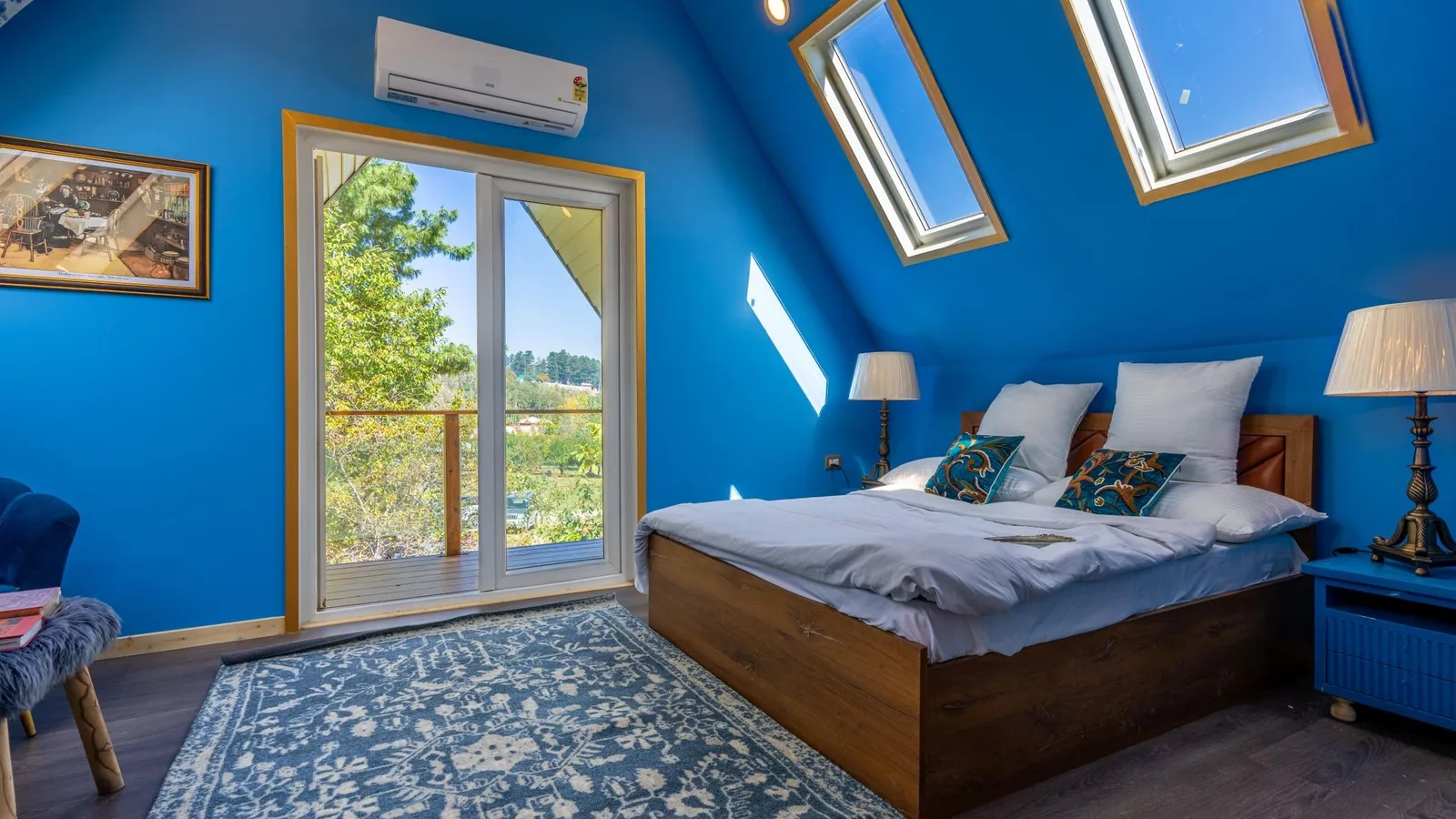
Quick Comparison of the Best Mini Splits for Cabins

Here's the fast way to match your cabin type to a short-list:

  • Premium cold-climate (Mitsubishi/Daikin) - Best for full-time, 4-season cabins in states with heavy snow where the mini split is primary heat.

  • Senville LETO - Best for budget-conscious weekend cabins in mild or 3-season climates.

  • Senville AURA 12k - Best for smaller cold-climate cabins requiring quieter operation and ENERGY STAR efficiency without premium pricing.

  • EG4 12K Hybrid - Best for off-grid solar cabins where reducing generator runtime is the top priority.

  • MRCOOL DIY (5th Gen/Pick) - Best for hands-on owners who need a true DIY install due to limited contractor access.

How to Choose a Mini Split for Your Cabin

Choose Based on Cabin Size and Layout

You need to size mini splits correctly for efficient operation-oversizing makes them cycle too much, leaving you with a unit that is too small leaves you uncomfortable. Rough rules of thumb:

  • 9,000 BTU: \~300–500 sq ft

  • 12,000 BTU: \~400–750 sq ft

  • 18,000 BTU: \~700–1,000 sq ft

Many small cabins do fine with one well-placed wall cassette. Larger or multi-level cabins may need a second head or separate zone. Multi-zone systems let you control temperature independently in different areas, which matters if you have a sleeping loft that runs warmer than the main floor. A Manual J load calculation is the gold standard, but a free sizing calculator gets you in the right ballpark.

Choose Based on Climate and Winter Use

Cabins in Minnesota, Maine or Colorado high country need cold-climate heat pumps and often a backup stove. Cabins in Tennessee or coastal Oregon can get by with standard mini splits. Check unit capacity charts at 17°F, 5°F, and 0°F instead of only looking at nameplate BTUs at 47°F.

Low-temperature freeze protection mode helps keep pipes from bursting when you're away-look for this if your cabin sits empty in winter. Some state programs offer strong utility rebates for high-efficiency heat pumps. In Efficiency Maine's example, rebates cut a $10,000 two-unit system down to $8,000 for any income, $6,000 for moderate income, and $4,000 for low income.

Choose Based on Power Source

  • Grid-tied cabins can prioritize comfort and efficiency with fewer limits on start-up currents.

  • Generator-dependent cabins need careful sizing so the mini split and well pump can run together. Inverter units are easier on generators.

  • Solar/battery cabins must budget continuous and peak loads, which makes high SEER2 units and options like EG4 Hybrid more attractive. Energy efficiency is vital here.

You should check your electrical panel capacity, breaker size and wire runs. Plan for an outdoor disconnect and surge protection before you order any equipment.

Choose Based on Budget and Installation Path

DIY can save $1,000–$3,000 in labor on a remote cabin but shifts risk to you. Budget trade-offs matter:

  • Cheaper hardware now vs. lower operating costs and better warranties later.

  • DIY kits like MRCOOL vs. value pro-install brands like Senville where a local tech handles the vacuum and pressure test.

  • Some incentives and extended warranties need licensed installation, and advertising may not make that clear upfront.

Which Mini Split Is Best for Your Cabin?

  • Choose a premium cold-climate Mitsubishi or Daikin 9k–12k if your small cabin is your main house in a state with heavy snow and you want the most reliable, low-temp heat on the market.

  • Choose Senville LETO 12k–18k if you have a grid-tied weekend cabin in a moderate climate and want the lowest upfront cost with decent efficiency. It works great for shoulder-season use where deep-cold performance isn't the main concern.

  • Choose Senville AURA 12k if you own a 500–750 sq ft cold-climate cabin and care about ENERGY STAR efficiency and very quiet operation in sleeping spaces.

  • Choose EG4 12K Hybrid if your off-grid cabin relies heavily on solar, you want to minimize generator runtime, and your winter lows usually stay above 5°F.

  • Choose MRCOOL DIY 5th Gen if you're comfortable with tools, far from HVAC contractors and want a true DIY solution with better warranty coverage than DIY Pick.

  • Choose a Senville LETO or MRCOOL if you need to replace an old window unit on a tight budget and just want something that ships fast.

Final Thoughts

Getting cabin sizing and climate match right matters more than going after the highest SEER2 sticker or the trendiest brand. A properly matched 12,000 BTU unit will beat an oversized 24,000 BTU system in comfort, efficiency and reliability every time.

Before you buy, verify current 2026–2027 specs, pricing and rebate rules-they change often. Use a Manual J calculation or a simple load calculator to avoid getting a unit that is too big or too small. And think through installation logistics for remote sites: delivery access, wall penetrations, line-set runs and humid conditions that might affect where you put the outdoor unit. Get that right, and your cabin will stay comfortable for the next 15–20 years.

Specs, prices and warranty terms cited here are the manufacturers' published figures as of October 2026, are subject to change, and should be verified on the manufacturer's site before purchase. This is general information, not a substitute for your unit's installation manual or local code. Brand names are trademarks of their respective owners.
Sources & Methodology

Where our data comes from

Specifications, prices and warranty terms are taken from manufacturer and retailer documentation and the public sources below, checked in October 2026.

Keep Reading

Related articles

Avery Lang

Lead Reviewer, Ductless4Less

Avery leads a small team of hands-on DIY installers who cross-check every SEER2, warranty, and price claim against AHRI-certified and manufacturer documentation. The goal is simple: help homeowners buy and install the right ductless mini split for the best possible value, without the salesy noise.

Find the right system for your space

Size the room with the free calculator, then compare brands side by side on efficiency, cold-climate heat, warranty and price.