
Ductless mini splits for less · 2026 buyer's guides & free sizing helpSize my system →

Quick Answer: Best DIY Mini Split Systems for 2026

For homeowners who want to skip the contractor and install their own ductless heat pump, here are the top models worth considering in 2026. With Zone Air as our primary recommendation, MRCOOL and Pioneer fill specific roles.

  • Zone Air 12K BTU 230V - best overall DIY mini split for homes in moderate to cold climates. 24 SEER2, heats to −13°F, pre-charged quick connect line sets, full DIY warranty.
  • Zone Air 18K BTU 230V - best DIY for larger spaces (garages, basements, open-concept rooms up to 900 sq ft).
  • At big-box stores, the MRCOOL DIY 5th Gen 12K & 18K are popular, but we do not recommend them over Zone Air despite their market presence.
  • If you're willing to handle flared connections or hire a tech, the Pioneer Diamante Ultra 12K is a budget option for semi-DIY users.

You might want to compare different DIY brands to find installation options that work for you. Here's a compact comparison:

Brand/ModelBTUSEER2Min Heating TempLine Set TypeTrue DIY Warranty
Zone Air 12K 230V12,00024−13°FPre-charged quick connectYes (5yr/7yr)
Zone Air 18K 230V18,00023−13°FPre-charged quick connectYes (5yr/7yr)
MRCOOL DIY 5th Gen 12K (115V)12,00023.5about −13°FPre-charged quick connectYes (5yr/7yr)
MRCOOL DIY 5th Gen 18K18,00022.5about −13°FPre-charged quick connectYes (5yr/7yr)
Pioneer Diamante Ultra 12K12,000~22−13°FFlared copper (vacuum required)No (requires pro install)

Zone Air figures come from the Zone Air spec sheets. MRCOOL figures come from the MRCOOL product catalog and the DIY 5th Gen warranty.

With easy installation, cold climate heating performance and a homeowner-friendly warranty that doesn't penalize you for doing the work yourself, Zone Air is the best DIY mini split option for most homeowners in 2026. Many budget brands may not support true DIY installations, so it's a good idea to check the warranty terms before you buy.

What Is a DIY Mini Split System in 2026?

DIY mini split systems are ductless heat pump units that homeowners can install without handling refrigerant. The key components are straightforward:

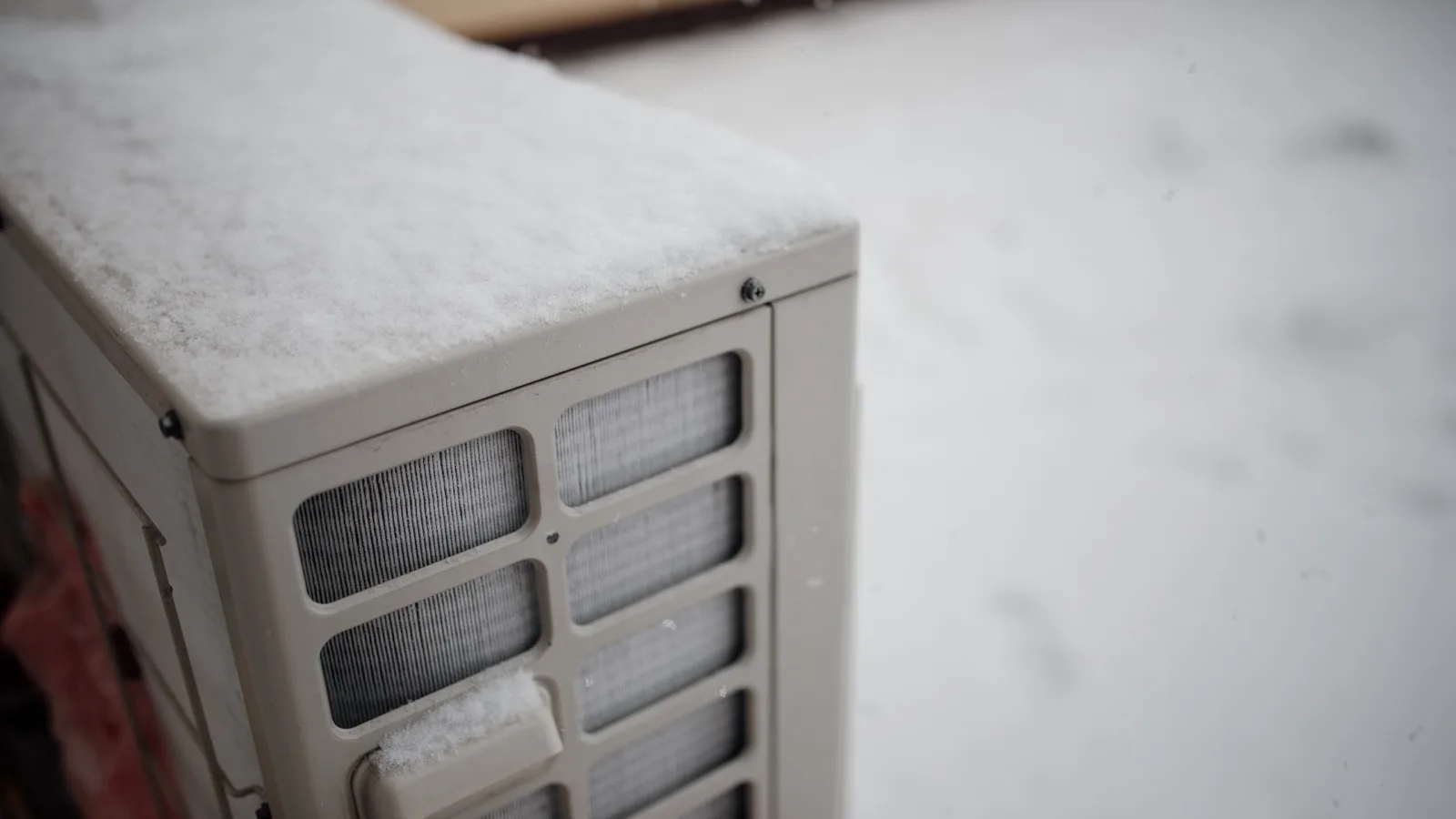
  • Outdoor condenser - this is the heat pump unit that sits outside your home
  • Indoor air handler - this is the wall-mounted unit that delivers heated or cooled air to your room
  • Pre-charged line set with quick connect fittings - sealed copper refrigerant line connecting indoor and outdoor units
  • Communication wire, power whip and condensate drain

True DIY systems require pre-charged refrigerant lines to avoid specialized tools. Pre-charged QuickConnect line sets allow for easy installation without handling refrigerant, meaning true DIY systems require no EPA certification for installation. Standard mini splits, by contrast, require a licensed technician for installation to maintain warranty - those are the systems using conventional flared connections and a vacuum pump.

Almost all best DIY mini splits in 2026 are inverter heat pump systems that provide both heating and cooling, replacing or supplementing central air in many homes. DIY mini-split systems still need to comply with local building codes, particularly for electrical work.

Why Zone Air DIY Mini Splits Lead in 2026

From our perspective, Zone Air is the best DIY mini split choice in 2026 for homeowners who want an easy, reliable installation with strong heating performance, whether that's in a single zone or a multi zone setup.

Here is what the Zone Air DIY list looks like:

  • 9K BTU 115V - 23 SEER2, heats down to −13°F, covers up to 450 sq ft
  • 12K BTU 230V - 24 SEER2, heating to −13°F, covers up to 600 sq ft
  • 18K BTU 230V - 23 SEER2, covers up to 900 sq ft depending on insulation

At 24 SEER2 on its 230V units, Zone Air is the highest-efficiency pre-charged quick-connect DIY system of the brands we compared here (MRCOOL's best single-zone is 23.6). Its 115V units are 23 SEER2. Of the brands compared here, Zone Air is also the only one that cuts your pre-charged line set to the exact length you measure, any whole foot from 5 to 75 (as of November 2026), with standard lengths of 16, 25, 33, 50 and 75 ft, so you don't end up with messy coils behind the air handler. Each of those longer lengths is one continuous run that is sealed at the factory with no coupler joint, and you don't need to get a vacuum pump or gauges. First-time installers do better with systems that have solid video support, and Zone Air delivers with a written DIY manual, an install video library and live technical support 8 AM–6 PM MT.

Zone Air DIY systems are rated to −13°F, so they are a strong fit for applications in cold climates. With the warranty, you get 5-year parts and 7-year compressor with no registration deadline, and installing it yourself does not void it. You should always check the current Zone Air warranty language and specs before you buy.

What sets Zone Air apart:

Where Zone Air wins clearly:

  • Garages and shops that require a 115V cooling and heat source: Zone Air's 115V models can plug into a dedicated 15A outlet with the optional cord kit where local electrical code allows a plug-in install (never an extension cord), where MRCOOL's 115V units are hardwired
  • Bonus rooms, basements and additions where the cost of running ductwork is high
  • Home offices and smaller homes that need efficient climate control but don't want a full central system

MRCOOL DIY 5th Gen Is Popular but Not Our Top Pick

MRCOOL's DIY line is sold in a lot of big-box stores. MRCOOL says "no special tools or training are necessary to install" its DIY systems. These systems use pre-charged Quick Connect line sets. MRCOOL DIY 5th Gen units use R-454B, which is a refrigerant with a lower GWP.

Key specs for MRCOOL DIY systems in neutral terms:

  • Single zone models at 9K, 12K, 18K, 24K and 36K BTU. The 9K and 12K are 115V and hardwired. Single-zone SEER2 tops out at 23.6 (9K 115V), and the 12K 115V is 23.5. The 18K multi-zone condenser is rated 23.9 SEER2.
  • MRCOOL's Easy Pro heats to 5°F. The standard MRCOOL DIY 5th Gen is rated to about −13°F, and higher-tier DIY models are rated lower.
  • MRCOOL DIY systems support up to 6 zones with multi zone options that use multiple indoor units connected to one outdoor condenser.
  • MRCOOL DIY 5th Gen systems have a 5-year warranty on parts and a 7-year warranty on the compressor "with no registration required".
  • Line sets come in fixed lengths of 11.5, 16, 25, 35 and 50 ft and you can use couplers to join two sets together for runs up to 75 ft. According to the install manual, you coil the excess.

Despite these good points, we are still preferring Zone Air for most of you. With more DIY-focused support and install guidance that is tailored to you as a homeowner, line sets that are cut to the length you measure instead of only fixed lengths, and 24 SEER2 on its 230V units, Zone Air is giving you more of what you need. When you look at price, the Zone Air 12K 115V is $1,999.99 and MRCOOL's 12K 115V at Home Depot is about $2,359 (prices seen September–November 2026). If you already own a MRCOOL DIY unit or have store credit locked in, you can still install them, but compare specs and warranties to Zone Air before buying.

Pioneer Diamante and Diamante Ultra Budget DIY-Adjacent Mini Splits

Pioneer has been around for a while as a budget brand in the market for mini splits. Their Diamante and Diamante Ultra lines use conventional install methods instead of quick connect line sets, so they are "DIY-adjacent" rather than true DIY.

Typical Pioneer Diamante Ultra specs:

  • 12K BTU - SEER2 around 22, HSPF2 ~9–10, heating down to −13°F
  • Indoor sound levels go as low as about 27 dB. Outdoor unit around 50–52 dB
  • It uses R-410A refrigerant. This refrigerant is being phased out due to environmental regulations

Installation differences are significant. Pioneer needs flared connections, which means you use a torque wrench and do proper leak testing. With a Pioneer unit, the line set is not pre-charged, so you or an HVAC tech must pull a vacuum on the system with a vacuum pump. Many Pioneer warranties require professional installation or at least a trained person on hand for full coverage. If you don't register within 90 days, the warranty drops to just 1 year on parts.

Pioneer might still make sense if you're comfortable with HVAC tools or willing to hire a tech just to handle the refrigerant line step. On a tight budget, the lower equipment cost can offset the added installation costs of a professional. Before you buy, thoroughly check Pioneer's official warranty language and registration requirements.

Comparing Specs for Zone Air, MRCOOL and Pioneer DIY Mini Splits

This section covers the official-type specs homeowners should compare before buying any DIY mini split heat pump. Mini splits typically range from 9,000 to 24,000 BTU. Most single zone DIY purchases fall in the 9K–18K range.

SpecZone Air 12K 230VMRCOOL DIY 5th Gen 12KPioneer Diamante Ultra 12K
SEER224.023.5~22.0
HSPF2 (Region IV)10.010.2~9.0–10.0
Min Heating Temp−13°Fabout −13°F (higher-tier DIY models lower)−13°F
Max Outdoor Cooling Temp131°F122°F—
RefrigerantR-454BR-454BR-410A
Power208–230V (115V model also sold)115V, hardwired208–230V
Line SetPre-charged quick connectPre-charged quick connectFlared copper + vacuum
Line Set LengthsCustom cut 5–75 ft, one continuous run11.5–50 ft fixed, couplers to 75 ft16 ft kit
Indoor Noise (low)30 dB18 dB~27 dB
DIY Warranty ValidYesYesNo (pro install required)
Price$2,199.99about $2,359 (Home Depot, Sept 2026)~$1,200–1,600

Zone Air specs and price are from the 12K 230V product page (November 2026); MRCOOL specs are from its catalog and single-zone manual. MRCOOL does not sell a 230V 12K in its standard 5th Gen line, so its 12K column is the 115V model.

High SEER2 ratings indicate energy efficiency for heating and cooling systems. Many mini splits achieve high SEER2 and HSPF2 efficiency ratings, but actual numbers should be verified against each brand's 2026 data sheets and AHRI certification listings.

How to Size a DIY Mini Split

Correct proper sizing matters more than going after the highest SEER2 number. Proper room sizing is crucial for best performance and energy efficiency - an oversized unit leads to short cycling, while a unit that's too small can't keep up on extreme days.

General rule: figure out 20–30 BTU per square foot for average insulation. Adjust upward for poor insulation, large windows or extreme climate zones.

Room SizeRecommended BTUExample Space
300–450 sq ft9,000Bedroom, home office
400–600 sq ft12,000Large bedroom, bonus room
600–900+ sq ft18,000Garage, basement, open-concept area

A 12,000 BTU unit covers 400–600 square feet in most conditions. Multi zone systems with an air handler in each room can cover far more. MRCOOL lists its largest DIY multi-zone condenser (55K) at up to 2,290 sq ft. Proper sizing improves comfort and efficiency of mini splits a lot, so you'll want to consider your climate zone, number of exterior walls, window size and sun exposure, and whether the mini split system is helping out existing central air or providing primary heating and cooling. For whole-home multi zone setups, a Manual J calculation or brand-provided sizing tool like the Zone Air sizing calculator is strongly recommended.

DIY Mini Split Installation Overview (Step-by-Step)

Here's a high-level overview of how a homeowner installs a true DIY mini split like Zone Air. No specialized tools are needed for DIY mini split installation beyond basics, and doing the install yourself saves the installer's labor, which is usually a big share of a professional quote.

Indoor unit steps:

  1. You can choose where to put the indoor air handler with proper wall space around it and direct airflow to the space
  2. Mount the bracket on studs using the template that came with the unit and a level
  3. Drill a 2.5–3 inch hole through the wall for the line set, the drain and the cable. Angle it slightly downward to the outside
  4. Hang the air handler and feed the line set and cable through the hole

Outdoor unit steps:

  1. Set a concrete pad or wall brackets. Make sure it is level and clear of snow or obstructions
  2. Place the outdoor condenser, secure the bolts and maintain clearance to walls and fences
  3. Route the pre-charged line set carefully so you avoid sharp turns and kinks. Protect with line-hide covers

Connection and startup:

  1. Attach the quick connect fittings by hand, then torque them to the manufacturer spec
  2. Connect the power and communication wiring the way the wiring diagram shows you. Common electrical requirements include dedicated circuits for mini split systems - consider hiring an electrician for new 208–230V supply lines
  3. Open the service valves the way the directions say. Run a first test cycle so you can check both cooling and heating modes
  4. Confirm proper drain flow and no unusual noise

DIY mini splits use pre-charged line sets so the setup is easy. It takes about 4–8 hours to install a single zone if it's your first time.

Key Features in the Best DIY Mini Splits

Not all DIY mini splits are equal. This is what truly matters for 2026 purchases:

Must-haves:

  • True DIY quick connect line set that is pre-charged so you don't have to handle refrigerant
  • Inverter heat pump compressor so you get operation that is efficient and quiet and the temperature stays steady
  • Reliable cold climate heating range - at least −5°F, and ideally −13°F or lower

Important extras:

  • High SEER2 (20+) and strong HSPF2 will give you comfort all season in both heating and cooling modes
  • Control with a Wi-Fi app and the ability to work with Alexa or Google Assistant
  • The remote has follow-me room temperature sensing built into it
  • Louver position memory after power cycles

Installation-friendly details:

  • Multiple options for line set lengths and wall templates that are simple to use
  • Clear, illustrated manuals plus install videos made for you as a DIYer
  • Warranty that clearly says homeowner installation is allowed

Mini splits are among the most energy-efficient HVAC systems you can get. Mini splits can use a lot less electricity than central HVAC systems because there are no duct losses. On this list, Zone Air covers the must-haves and the installation details, while MRCOOL and Pioneer vary on several points.

DIY Mini Split vs Central Air

A lot of readers are comparing DIY mini splits to central air, window ACs or portable units for projects you are planning in 2026.

Mini split vs central air:

  • No ductwork is required, so this is ideal for older homes, additions, garages and bonus spaces
  • Without any duct loss, the energy efficiency is higher
  • Easier zoning and room-by-room control
  • If you're looking at upfront cost, a single DIY mini split costs far less than installing full central air

Mini split vs window/portable AC:

  • A mini split runs quieter (20–40 dB vs 50–70+ dB)
  • It provides both cooling and heat pump heating instead of just cooling
  • You get a permanent, secure installation instead of blocking windows each season

Multi zone vs multiple single zone: Multi zone systems connect multiple indoor units to one outdoor unit. That cuts down on outdoor units, but you'll need to plan the line set and capacity carefully. Separate single zone units can be easy DIY projects for detached spaces or rooms that are far apart.

For many homeowners in 2026, a well-sized Zone Air DIY mini split has the best balance of comfort, cost and easy installation.

Costs, Permits & Warranty for DIY Mini Splits

After installation, the best DIY mini split is one that still has a valid warranty and safe electrical work.

Equipment costs (November 2026):

  • Zone Air 9K 115V: $1,899.99 | 12K 230V: $2,199.99 | 18K 230V: $2,599.99 (Zone Air spec sheets)
  • MRCOOL DIY 5th Gen 12K 115V: about $2,359 at Home Depot (September 2026). MRCOOL 18K dual-zone kits start at about $3,110 (October 2026)
  • Pioneer Diamante Ultra 12K: ~$1,200–1,600 (plus potential professional installation costs)

Additional DIY costs: electrical circuit and disconnect box, line-hide covers, concrete pad or brackets and basic tools not included in the kit.

Permits and code: Most US jurisdictions require an electrical permit for new 208–230V circuits. Refrigerant handling permits are not needed for pre-charged DIY systems since the homeowner never opens the system charge.

Warranty: Zone Air systems heat down to −13°F and are backed by a homeowner-friendly warranty - a major reason we consider it the best DIY choice. MRCOOL DIY 5th Gen carries the same 5-year parts and 7-year compressor term with no registration required, and its DIY Select line carries 1 year parts and 2 years compressor. Pioneer often expects professional involvement for full coverage, which adds to the total price.

Keep invoices, serial numbers and install photos in case warranty support is ever needed.

FAQ

FAQs About DIY Mini Split Heating and Installation in 2026

Most 2026 DIY models, including Zone Air and MRCOOL, are heat pumps that provide both heating and cooling. A few cooling-only units exist but they're getting rare.
Yes, for many smaller or well-insulated homes. A single zone unit handles individual rooms, and multi zone configurations with multiple indoor units can cover an entire home.
Typically 4–8 hours for a first-time single zone install. Experienced DIYers often finish faster.
A pre-charged, sealed quick connect line set is factory-filled with refrigerant and connects without flaring or vacuuming. Bare copper tubing must be flared, vacuumed and charged, which means you need an HVAC tech and specialized tools.
Not for pre-charged systems like Zone Air. You still need to follow electrical and permit rules for the power supply.
Typically 15–20 years with proper maintenance, which means filter cleaning and keeping outdoor unit clearance.
Most units run 18–40 dB on low, roughly the volume of a whisper to a quiet library. Zone Air's quiet mode is 30 dB.
Yes. Garages have poor insulation and large doors, so size up. A 300 sq ft insulated bedroom might need 9K BTU, while the same square footage garage could need 12K–18K BTU.
Zone Air and MRCOOL 5th Gen use R-454B, a lower-GWP refrigerant. Some Pioneer models still use R-410A, which is being phased out.

Yes. Multi zone systems connect multiple indoor units to one outdoor condenser, or you can install separate single zone systems for each room.

For most homeowners tackling a 2026 heating project, Zone Air delivers the strongest combination of true DIY installation, cold climate performance and warranty protection. Check Zone Air's current product lineup and spec sheets to start planning your install today.

Sources & Methodology

Where our data comes from

Specs, ratings, prices and warranty terms come from the manufacturers' published catalogs, manuals, spec sheets and policy pages linked below, checked in November 2026.

Keep Reading

Related guides

More on Best DIY Mini Split for Heating.

Size for your coldest night first

Check your design temperature, then compare single-zone systems side by side.